


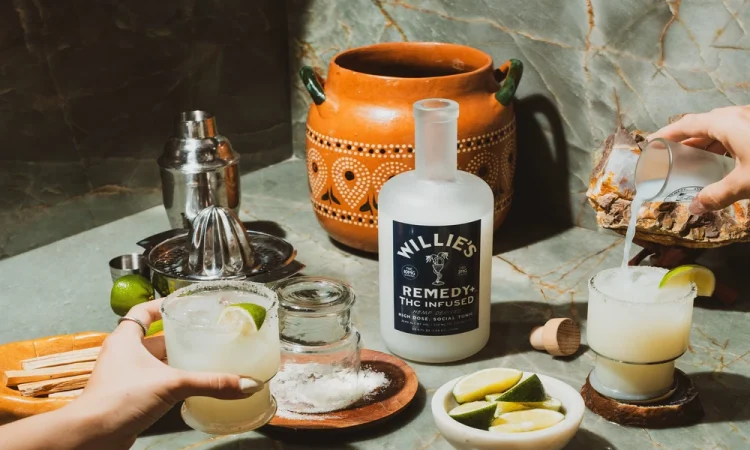
THC syrup looks simple until you realise a splash isn’t really a measurement when adding to a drink. Once you actually try to do this at home, everything pulls in different directions. These are the areas where people usually fail, and what matters most.
1. Start with the label
Somewhere on every bottle there’s a milligram count, usually listed per teaspoon or millilitre, though where exactly it sits changes brand to brand. The nutrition information on https://budpop.com/thc-syrup/ puts this near the number worth pausing before doing anything else. Skip it, and you’re not dosing, you’re guessing. One brand’s teaspoon might be twice as strong as another’s, which is exactly why treating the label like fine print nobody reads causes most of the trouble before the drink’s even mixed.
2. Pick a starting dose
Somewhere around five to ten milligrams makes sense for a first attempt. Yes, stronger syrups exist, some well past twenty-five milligrams per pour, but going in that high without any experience tends to backfire more often than not. Part of the issue is texture. Syrup pours like syrup, familiar, easy, the same motion you’d use for coffee or a soda float. That familiarity is precisely the trap. It’s harder to hold back with something that feels this ordinary compared to, say, a gummy that’s already measured out for you.
3. Choose the right drink base
Fizzy drinks do a better job of hiding the syrup’s texture than flat water does. Something about the bubbles distracts from that thin oily layer that sometimes rises near the top. Heat works against you here, though. Push the temperature too high, and THC starts to break down, so lean toward tea over anything close to a boil.
A splash of citrus, or really any juice, smooths the flavour out more than water alone ever could. Syrup leans sweet on its own, sometimes uncomfortably so, and something acidic cuts that back until the drink tastes less like syrup with cannabis in it and more like something you’d actually finish without thinking twice.
4. Mix thoroughly
Syrup doesn’t dissolve the way powder would. Left alone for even a few minutes, it settles, and a still glass makes that worse since nothing’s stirring it back up on its own.
- Stir the moment the syrup goes in.
- Stir again around the halfway point, especially with a taller glass.
- Skip ice that melts too quickly, it waters things down in patches.
- Drink it slowly rather than knocking the whole glass back at once.
5. Wait before adding more
Onset lands somewhere between thirty and ninety minutes, and whatever’s already sitting in your stomach shifts where, in that window, you’ll actually feel it. This is the part most people rush. Feeling nothing twenty minutes in doesn’t mean the dose fell short. Nine times out of ten, it just means the clock hasn’t caught up yet.
Pouring a second dose before the first one’s registered is exactly how people end up with more onboard than they meant to take. Give it the full two hours before deciding anything else is needed. That wait alone prevents most of the discomfort tied to misjudging how slow this stuff actually kicks in.
6. Store the syrup properly between uses
Fridge it after opening, every time. Left out too long at room temperature, the syrup can separate or weaken, which quietly throws off future doses even when the amount poured stays the same. A steady storage habit keeps each pour closer to what the label originally claimed, rather than drifting weaker one use at a time without anyone noticing.
Tools aren’t really needed for any of this. Regular teaspoons will do fine as long as you start modestly and wait out the onset before repeating.