


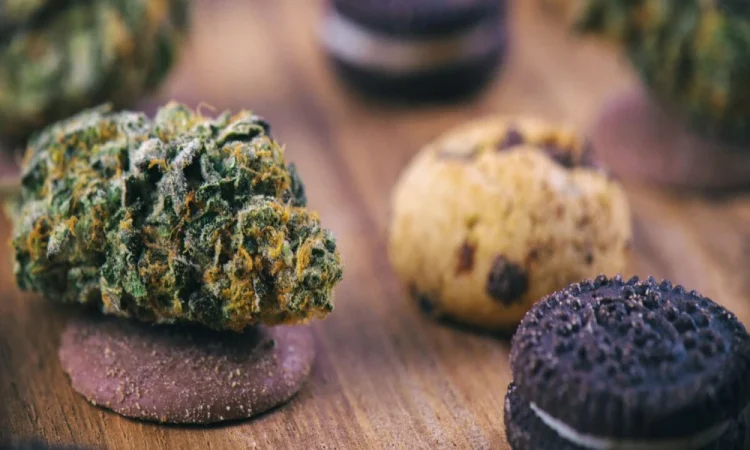
These two words appear on edible labels and are treated as interchangeable across retail contexts. check them out address this directly because the production difference between them is real and consequential. Rosin and resin describe different extraction origins and different compound profiles in the final product. Buying one when the other was intended produces a completely different product at the same price point without any obvious signal on the label that the distinction was missed.
Resin
Resin, in botanical terms, refers to the sticky substance produced by plant trichomes on hemp and cannabis flowers. Trichomes hold the majority of cannabinoid and terpene content on the plant surface. That raw plant resin is not a processed product. It is a naturally occurring secretion that forms during the plant’s growth cycle.
In commercial extract contexts, resin appears most commonly inside the term live resin rather than as a standalone descriptor. Live resin is a specific extraction format rather than raw plant resin. It is produced by extracting oil from plant material that was frozen immediately after harvest rather than dried and cured through standard post-harvest processing. Freezing at harvest stops the degradation of terpenes and minor cannabinoids that begins almost immediately after the plant is cut and exposed to air and ambient temperature.
Live resin oil contains a higher concentration of terpenes than oil extracted from dried biomass. Live resin is used as a cannabinoid source in edible formulations to enhance the compound profile.
Rosin
Rosin requires no chemical solvents at any stage of production. Heat and mechanical pressure applied to plant material, hash, or bubble hash force resin out of the source material without introducing any chemical agent into the process. No butane, no ethanol, no hydrocarbon compound enters the extraction at any point. What is collected is a full-spectrum extract retaining the plant’s original compound profile without residual chemical presence from the production process.
- Residual solvent testing on rosin products returns non-detectable results across the full standard screening panel.
- Output consistency varies more than solvent-based extracts because yield depends on starting material quality rather than a standardised chemical process.
- Rosin produced from high-quality hash input carries a compound profile reflecting careful cultivation and post harvest handling.
- Price points run higher than solvent based extracts because yield per gram of input material is lower than chemical extraction produces from equivalent starting weight.
Rosin edibles carry the solventless production standard into the finished product. Buyers prioritising the absence of chemical solvents across the full production chain find rosin edibles the format that delivers that without compromise at any stage.
Distillate as the third format
Distillate-based edibles use refined oil with most plant compounds removed through winterisation and fractional distillation. The output is consistent, high in primary cannabinoid concentration, and neutral in flavour unless terpenes are reintroduced after processing. Those reintroduced terpenes are typically botanical or isolated compounds rather than the plant’s original profile. Distillate edibles carry consistent potency across batches and a predictable flavour character. They do not carry the compound complexity of live resin or the solventless production standard of rosin. All three formats function as edibles with comparable onset timing governed by digestive processing rather than oil type.
Resin and rosin describe different things in every context in which they appear on a label. Live resin reflects extraction from fresh frozen plant material. Rosin reflects solventless mechanical production from quality starting material. Knowing the difference before selecting an edible removes the primary source of confusion that retail labelling conventions have done very little to resolve for first-time buyers.