
Colour, Material, and Shape: Small Designer Frame Details That Change Your Look

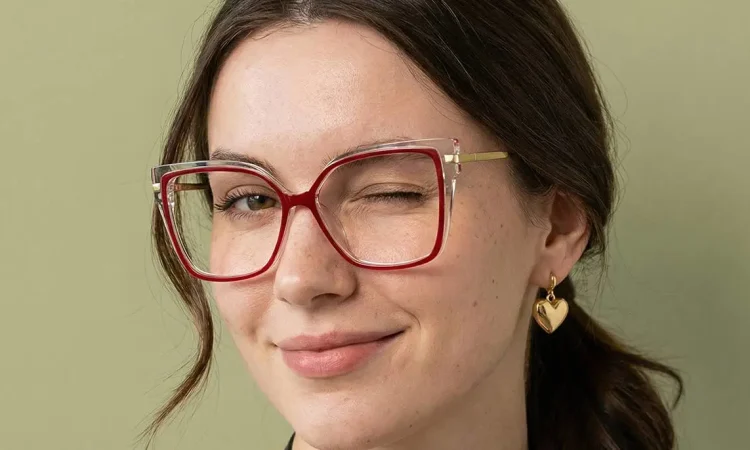
Glasses sit at the centre of your face, so even a small detail can change your appearance. Colour may brighten your skin, material may make the frame feel lighter, and shape may soften or sharpen your features. Choosing Premium designer glasses is therefore not only about selecting a recognised label. It is about finding details that suit your face, wardrobe, comfort needs, and daily routine.
Why Small Frame Details Matter
Two frames can appear similar on a shelf but look different when worn. A higher brow line can lift the eye area. A thin rim can create a quieter look, while a thicker frame can become the main feature of an outfit.
The bridge, temples, corners, finish, and lens depth also affect the result. These details influence where attention goes and whether the glasses feel balanced.
Check More Than the Front View
When trying on frames, look at them from several angles. The side profile may reveal decorative temples, unusual hinges, or a colour change that is not visible from the front. Also check whether the frame sits level and matches the width of your face.
A good frame should express your style without causing slipping or pressure.
Optical Frames as a Fashion Accessory
Optical frames are no longer worn only by people who need vision correction. Many trendsetters choose frames with clear, non-prescription lenses because they like how the shape, colour, or material completes an outfit. A distinctive frame can add structure to the face, highlight the eyes, and create a polished or creative look without requiring a prescription.
When glasses are worn mainly for style, fit and comfort still matter. The frame should sit securely without pressing against the nose, temples, or cheeks. Choosing a versatile neutral frame can complement everyday clothing, while a bold acetate colour, oversized shape, or fine metal design can work as a statement accessory.
How Frame Colour Changes Your Appearance
Colour is often the first detail people notice. Black or navy frames can add definition around the eyes. Clear, beige, pale pink, or light metal frames usually feel softer.
Warm shades such as tortoiseshell, amber, bronze, and brown can add richness. Cooler shades such as silver, grey, blue, and green may create a cleaner, more modern look.
Choose Harmony or Contrast
There are two simple ways to approach colour:
- Create harmony: Select a shade that works naturally with your skin, hair, eyes, or usual clothing.
- Create contrast: Choose a colour that stands out and makes the glasses a deliberate feature.
A neutral shade may be easier for daily wear, while a bold colour can give simple clothing more character. ZEISS also notes that hair, skin, and eye colour can help guide frame choices, although personal preference remains important.
What Different Frame Materials Communicate
Material affects weight, texture, flexibility, and visual style. It can also influence whether glasses appear classic, modern, or expressive.
Acetate for Colour and Pattern
Acetate frames often have rich colour, depth, and pattern. They may feature layered tones, transparent sections, or tortoiseshell effects.
A slim acetate frame can look refined, while a thick version can appear bold. Small changes in thickness can alter the personality of the same shape.
Metal for a Lighter Look
Metal frames usually create a finer outline around the eyes. Gold tones can feel warm and classic, while silver, gunmetal, or black can look clean and modern.
Titanium is often used for lightweight designs. Stainless steel can also support slim, structured styles. However, comfort depends on the complete design, including the bridge, nose pads, temples, and fit.
Mixed Materials for Subtle Interest
Some designer frames combine acetate fronts with metal temples or use metal around the bridge and hinges. This creates contrast without making the design too loud.
Mixed-material frames suit people who want visual interest in a balanced everyday style.
How Shape Changes Facial Balance
Face-shape advice is a useful starting point, but it should not become a strict rule. Your features, hairstyle, frame size, and personal style all affect the result.
Angular frames may add structure to rounder features. Rounded frames can soften a stronger jaw or angular face. Cat-eye frames may draw attention upward, while rectangular frames can create a wider eye area.
Optical guidance often recommends using frame shapes to balance facial contours while still encouraging personal choice.
Notice the Brow and Cheeks
The upper frame line can influence how the eyebrows appear. A frame that follows the brow line often looks balanced, while an upswept corner can create a lifted effect.
Check the lower rim when smiling. Frames that touch or rise with the cheeks may feel uncomfortable. Proper size and bridge fit are therefore as important as shape.
Compare Frames With a Simple Checklist
When comparing luxury designer eyewear, ask:
- Does the colour brighten or overpower my features?
- Does the material feel comfortable for long wear?
- Does the frame remain level when I move?
- Do my brows, eyes, and cheeks look balanced?
- Does the design work with my usual clothing?
- Would I still enjoy it after the first impression?
Spectacle Hut’s eyewear collections can be filtered by brand, frame type, colour, and frame shape, helping narrow a wide selection into more relevant options.
The Best Frame Is Detailed but Personal
Premium designer glasses often stand out through careful proportions, materials, finishes, and construction rather than large logos. A slight colour gradient, fine temple detail, or well-shaped bridge can make a frame feel distinctive.
The best choice should look good, feel secure, and fit naturally into your routine. Consider how colour, material, shape, and fit work together. Small details may seem minor on display, but on your face, they can completely change the final look.